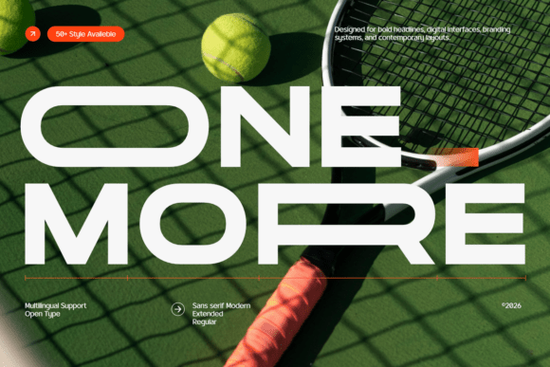
If you're looking for a modern sans serif typeface that works across branding, editorial, and digital projects, One More is a strong option to consider. It has a clean geometric structure and smooth proportions that give text a confident, readable feel. Whether you're building a brand identity or designing social media graphics, this typeface adapts well without feeling generic.
One More includes uppercase and lowercase characters, numerals, and extended multilingual Latin support. It's designed with performance in mind the wide letterforms and balanced spacing keep text legible at both large and small sizes. For designers, small business owners, and print-on-demand sellers, that kind of reliability matters.
What Makes This Font Different From Other Sans Serifs?
There's no shortage of geometric sans serifs out there. So what sets this one apart? A few things stand out:
- Geometric precision The letter shapes follow a consistent structure, giving designs a clean and organized look.
- Balanced spacing Characters have enough room to breathe. Text reads naturally, even in longer blocks.
- Athletic, modern tone The overall feel is bold and forward-looking, which works well for sports branding, tech products, and lifestyle campaigns.
- Wide letterforms These support strong readability, especially in headlines and display text.
You can explore the full character set and see how this geometric sans serif performs on the [detailed font page](/one-more-font-sans-serif-fonts). It's worth testing in your own layout before committing.
Where Does This Typeface Work Best?
One More is versatile enough for many types of projects. Here are some of the most common uses:
- Logo and branding design The clean geometry pairs well with logos for modern brands that want a sharp, professional identity.
- Headlines and editorial layouts The bold weight holds up at large sizes, making it great for magazine spreads, blog headers, and posters.
- User interfaces Good readability at small sizes makes it a practical choice for app and web UI work.
- Motion graphics The letterforms stay clear even in fast-moving animations.
- Print-on-demand products POD sellers can use it for t-shirt designs, mugs, tote bags, and other merchandise where bold text matters.
- Social media content Instagram posts, YouTube thumbnails, and Pinterest pins all benefit from a clean sans serif.
Does It Support Multiple Languages?
Yes. One More comes with extended multilingual Latin coverage, which means it handles special characters used in European, South American, and other Latin-script languages. If you create content for international audiences or work with clients in different regions, you won't need to swap fonts mid-project to accommodate diacritical marks or accented letters.
This kind of language support is important for global brands and anyone building multilingual design systems. It's one less thing to worry about when rolling out a project across markets.
How Does It Compare to Other Fonts in the Same Category?
If you're browsing sans serif fonts and weighing your options, it helps to compare a few. One More shares some DNA with other clean, geometric typefaces, but each has its own personality.
For example, Goodly offers a [similar clean aesthetic with its own character](/goodly-font-sans-serif-fonts). It's worth looking at both to see which tone fits your project better. One More leans bold and athletic, while others in the category may feel softer or more neutral.
If your work involves planner pages, stationery, or notebook designs, Planner Cloud could be a useful addition alongside One More. You can check out [this option designed for planner projects](/planner-cloud-font-sans-serif-fonts) to round out your font library.
For a deeper look at what makes a good sans serif typeface, Typewolf's guide to sans serif fonts is a helpful reference for understanding the differences between geometric, grotesque, and humanist styles.
Quick Checklist Before You Start Your Next Project
Before you apply One More to a design, run through this list:
- Know your project type Is it a logo, a website, a social post, or a printed product? This helps you pick the right weight and size.
- Test at multiple sizes Make sure the font reads well where it will actually appear on a screen, a shirt, or a poster.
- Pair it with the right companion font Try combining it with a serif or script font for contrast. Avoid pairing it with another geometric sans serif, as the designs may compete.
- Check special characters If your project uses accented letters or non-English text, confirm the characters you need are included.
- Adjust spacing for your layout Clean sans serifs look their best with generous letter-spacing and line-height. Don't crowd the text.
Start by downloading the font, testing it in a real layout, and adjusting until it feels right. A good typeface does a lot of heavy lifting but it still needs the right context to shine.
Try It Free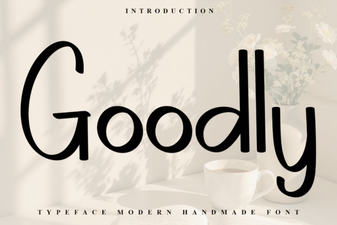 Goodly Font - Free Sans Serif Typeface for Modern Designs
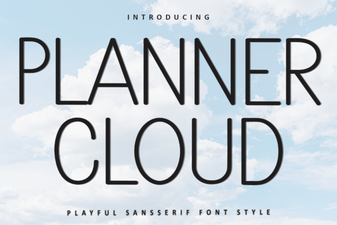 Cloud Font Tools for Modern Planners
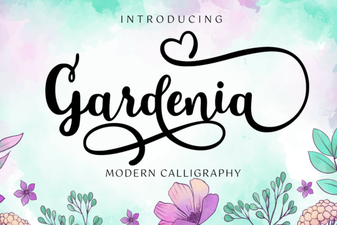 Gardenia Font: Elegant Script for Creative Design Projects
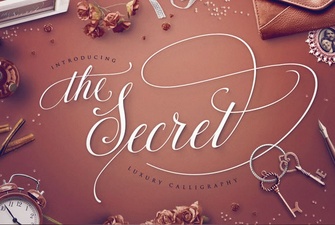 Discover the Secret Font for Creative Design Projects
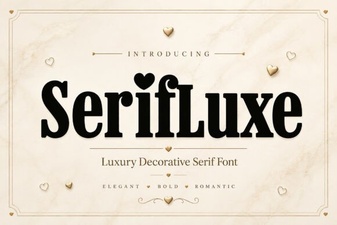 Serifluxe Font: Elegant Typography for Modern Design
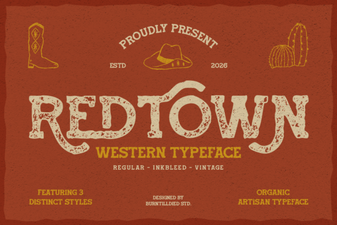 Redtown Font: a Bold Choice for Creative Design Projects