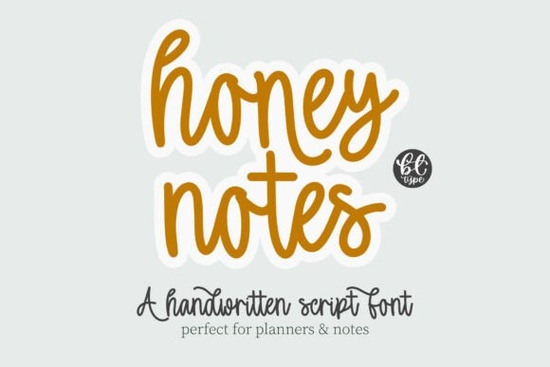
Looking for a handwritten script font that feels warm, cozy, and genuinely personal? Honey Notes Font is a smooth, rounded typeface designed for planners, stickers, scrapbooking, and any creative project where friendly, casual handwriting is the goal. It delivers thick, legible letterforms with playful connections perfect for designers and crafters who want that hand-lettered charm without sacrificing readability.
What Does Honey Notes Font Look Like?
Think of confident, casual handwriting on a sticky note or planner page. That's the vibe Honey Notes Font captures. The letterforms are thick and rounded, with smooth connections between each character. It's playful without being messy and bold enough to stay legible even at smaller sizes.
This makes it a practical choice for projects where text needs to read clearly on screens and in print, like planner stickers, gift tags, and product labels.
Who Is This Font Best For?
Honey Notes works well for a range of creative projects and professionals:
- Digital scrapbookers who want a cozy, hand-drawn look for journaling and titles
- Planner and sticker designers creating functional yet cute printable products
- Print-on-demand sellers designing mugs, tote bags, and greeting cards
- Small business owners who need approachable branding for packaging or social media
- Social media managers looking for friendly, eye-catching text overlays
- Children's content creators needing bold, readable, and playful lettering
If your audience responds to warmth and personality in design, this typeface fits naturally into your toolkit.
What Makes It Easy to Work With?
One practical detail worth noting: Honey Notes is PUA-encoded. That means every glyph, swash, and alternate character is accessible without special software. You can copy and paste alternate letters directly from a character map into your design tool whether that's Canva, Photoshop, or Cricut Design Space.
The bold weight also means you won't struggle with thin strokes disappearing on busy backgrounds or textured paper. It holds its own on:
- Patterned planner pages
- Kraft paper packaging
- Social media graphics with photo backgrounds
- Sticker sheets at smaller print sizes
How Does It Pair With Other Fonts?
Mixing a script font with a clean serif or sans-serif is one of the easiest ways to create polished designs. Honey Notes pairs nicely with lighter, more delicate scripts too if you want to keep the handwritten feel while adding contrast.
For wedding invitations or elegant stationery, you could pair it with something like a refined script font for formal projects to balance the casual tone. If you're designing berry-themed packaging or seasonal content, Wildberry offers a complementary style with its own personality and you can explore similar bold script styles for that direction.
For nature-inspired designs or farmhouse branding, Clover Fields brings an organic, textured feel that works well alongside Honey Notes. You can browse related handwritten options if that aesthetic appeals to you.
And if you want something with a bit more flair for headers or logos, check out Stylish Handwriting or see how it compares to other script styles in the same category.
Where Can You Use Honey Notes Font?
Here are some specific project ideas that suit this typeface well:
- Planner stickers headers, date labels, motivational quotes
- Greeting cards birthday, thank-you, and holiday designs
- Social media posts Instagram quotes, sale announcements, story text
- Product packaging labels for candles, soaps, baked goods
- Children's printables activity sheets, reward charts, name tags
- Digital invitations casual party invites, baby showers, brunch events
- Branding materials logos, business cards, and thank-you inserts for small shops
The Honey Notes script font is versatile enough to move between digital and print without losing its charm.
Quick Checklist Before You Buy
- Check your software confirm it supports custom fonts (Canva, Adobe, Cricut, Procreate all do)
- Plan your pairings decide which secondary font you'll use for body text or subtitles
- Test at your target size make sure the bold weight works for your specific use case
- Use the alternates explore the swashes and alternate glyphs to add variety to your designs
- Review the license confirm the usage rights match your project type, especially for print-on-demand
Tip: Before finalizing any design, print a test page or preview at full resolution. Handwritten fonts can look different on screen versus paper especially on textured or colored stock.
Learn More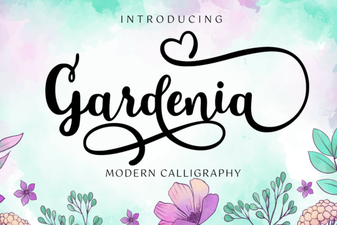 Gardenia Font: Elegant Script for Creative Design Projects
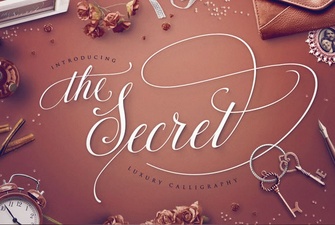 Discover the Secret Font for Creative Design Projects
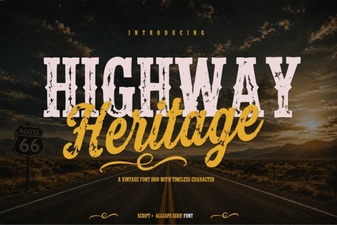 Highway Heritage Font - Vintage Script Typeface for Classic Designs
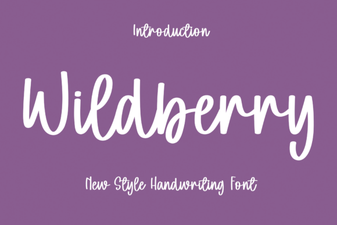 Wildberry Font: Creative Typography for Modern Design Projects
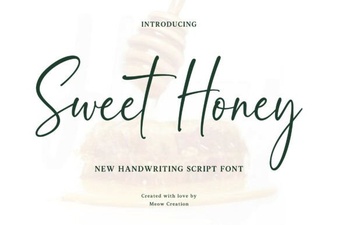 Sweet Honey Font: Crafting Elegant Designs with a Playful Touch
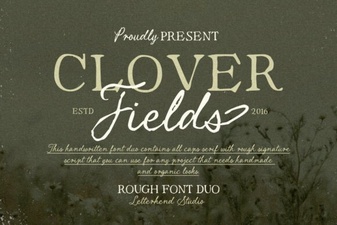 Clover Fields Font - Free Script Font Download